In this article
- The short answer
- Step 1: Choose the rental model
- Step 2: Verify the address and local rules
- Step 3: Register the business and arrange insurance
- Step 4: Check booking platforms before you advertise
- Step 5: Build a consent and emergency policy
- Step 6: Select and inspect the equipment
- Step 7: Make cleaning, privacy, and incidents routine
- Step 8: Price the offer and test the operation
- Step 9: Avoid the mistakes that close new rentals
- Frequently asked questions
To start a kink rental business, first decide what you are actually selling: a private room, portable equipment, or a paid BDSM service. Those models may share furniture and vocabulary, but they do not share the same legal, insurance, or platform questions.
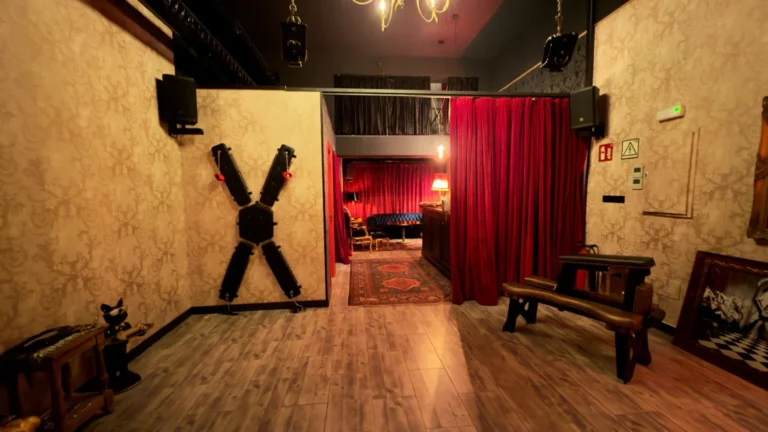
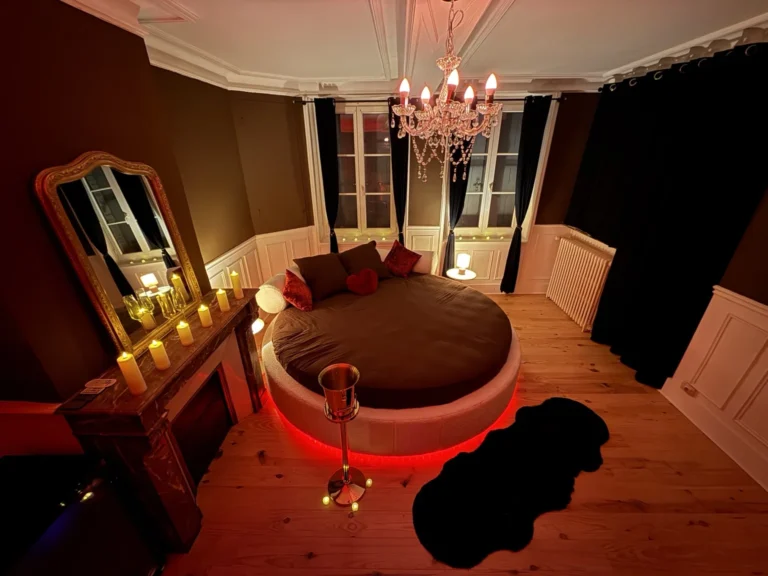
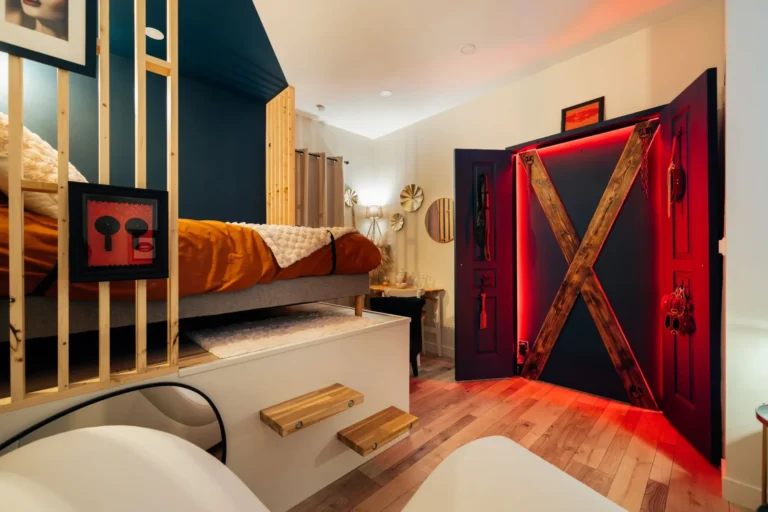
A room rental can mean a private dungeon, play space, BDSM studio, fetish room, or sex-positive short-term rental offered by the hour, day, or overnight. Equipment rental means sending or handing over portable bondage furniture or other gear. A professional BDSM, pro-domme, or session business adds a paid service, which can trigger separate rules.
This is a U.S.-focused launch plan, not a universal permit map. Local authorities decide much of the practical detail, and a private room is not automatically outside business, zoning, tax, fire, or insurance rules. Treat the order below as a decision workflow before you spend money or sign a lease.
The short answer
There is no single federal “BDSM room rental” license. The U.S. Small Business Administration says your business structure, registration, tax IDs, licenses, permits, bank account, and insurance all need attention. Your location affects taxes, zoning, regulations, rent, utilities, insurance rates, and government fees.
So the sensible sequence is simple: choose the model, verify the address and activities with the relevant authorities, arrange insurance, write consent and privacy procedures, select documented equipment, and only then publish availability. An LLC may help limit an owner’s personal liability, but it does not replace insurance, compliance, or competent legal advice.
Think of the room as a small hospitality operation with unusual furniture. The unusual furniture is not the part to hand-wave. A polished website cannot compensate for a loose fastener, an unclear house rule, or a booking platform that prohibits the business.

Step 1: Choose the rental model
Write one plain sentence describing the offer. “Guests rent a private room and use the listed equipment themselves” is materially different from “clients book a professional dominant.” Do not blur those descriptions in advertising or contracts.
For a room rental, decide if the booking is hourly, a short daytime block, or overnight. For portable equipment, decide who transports it, who installs it, and how it is inspected after return. For a service business, identify every service and worker involved before you call it a room rental.
Never imply that a room includes a professional, safety monitor, medical supervision, or sexual service unless that offering is separately lawful, insured, trained, and clearly contracted. Consent language does not turn a paid service into a room-only booking.
- Room rental: a private space with declared equipment and house rules.
- Equipment rental: movable items supplied without a room.
- Service business: paid BDSM, erotic, performance, or related labor.
This choice also affects age verification, taxes, employment questions, insurance, advertising, and platform eligibility. Make it before you choose a business name or buy a striking piece of furniture that does not fit through the door.
Step 2: Verify the address and local rules
Before signing a lease, ask the city or county licensing office, planning or zoning department, fire marshal, building department, and tax authority what applies to the proposed use. Also check the Secretary of State for registration requirements and the local rules for occupancy, accessibility, noise, parking, signage, and short-term rentals.
Ask specific questions about private room rental, overnight accommodation, equipment rental, adult-oriented businesses, and any paid services. There is no guarantee that a discreet apartment, converted barn, or commercial studio will be approved for your intended use.
Some states define adult-oriented retail broadly enough to include renting certain devices. Texas includes a commercial enterprise that rents devices intended for sexual stimulation or gratification in its definition of a sexually oriented business. Ohio’s definition can include a business renting devices marketed for genital stimulation or sadomasochistic use. Delaware may require licensing when sexually oriented products or devices form a substantial part of the business. Municipalities can add their own rules; Tempe, Arizona, for example, requires annual licensing for specified adult-oriented businesses and services.
Those examples are warnings, not a classification for every dungeon. Check the official source for your exact city, county, and state before accepting money. If you plan to operate outside the United States, verify country- and city-level accommodation, adult-business, privacy, tax, and equipment rules separately.
Step 3: Register the business and arrange insurance
Follow the SBA’s basic formation sequence: choose a structure, register it where required, obtain tax IDs, check licenses and permits, open a business bank account, and obtain appropriate insurance. An EIN from the Internal Revenue Service is free when obtained directly, and the research for this guide checked that cost at $0 in October 2026.
The rest has no reliable national price range. Registration, local licenses, adult-business permits, zoning approvals, fire inspections, rent, utilities, insurance, cleaning, and legal or accounting advice vary substantially by jurisdiction and business model. Prices checked in October 2026.
Ask an insurance professional about the actual activities, not a softened description such as “lifestyle accommodation.” Discuss guest injuries, equipment damage, premises liability, business interruption, blood or body-fluid cleanup, employees or contractors, and privacy incidents. Ask whether your policy covers the equipment you provide and the way guests use it.
Do not describe an LLC, release, insurance policy, or consent form as immunity from civil or criminal liability. Have a lawyer review the activities, advertising, contracts, emergency procedures, and any proposed service work. Record every permit, inspection, policy renewal, and tax deadline after approval.
Step 4: Check booking platforms before you advertise
A platform can prohibit conduct that local law permits. Airbnb prohibits paid sexual services, commercial pornography, and other sex-related commercial services connected with its listings. Its rules are not a substitute for local legal research, and local legality is not a guarantee of platform acceptance.
Read the current terms for the platform you want to use. Look for rules about adult content, commercial activity, parties, photography, surveillance, guest limits, identity checks, and off-platform payments. Keep a dated copy of the relevant policy in your business records because platform language changes.
If the platform does not clearly permit a private BDSM room, ask for a written answer before building your launch around it. A listing that hides the nature of the room may create a worse problem than an honest listing that gets declined.
Also separate booking administration from guest privacy. Collect only the identity and contact information you need, restrict access to booking records, disclose cameras and microphones, and define when records are deleted. Never use intimate photographs or identifying guest details as marketing material without explicit, documented permission.
Step 5: Build a consent and emergency policy
A rental agreement should explain what the guest is renting and what is not included. Cover guest limits, prohibited conduct, intoxication, photography, recording, cameras, privacy, damage, injuries, refunds, and immediate termination. State how guests can withdraw consent and how a safeword works within the room rules.
Keep the policy practical. A guest should be able to find the emergency address, access instructions, working phone number, unobstructed exits, smoke and carbon-monoxide detection, and first-aid supplies. If the property is difficult for emergency responders to find, write the directions clearly and keep them current.
A safeword is not a substitute for judgment. Do not rely on one when a person is intoxicated, unconscious, unable to communicate, or experiencing a medical emergency. Do not present the rental as training or supervision.
Prohibit activities you cannot support with suitable equipment, staff, insurance, and a professionally reviewed policy. The brief for this guide calls for particular caution around suspension, choking, breath restriction, cutting, needle play, electrical play, fire play, and blood play. A written rule is useful; it is not a structural inspection or an emergency plan.
Step 6: Select and inspect the equipment
Publish an inventory with dimensions, permitted uses, prohibited uses, documented weight limits, manufacturer instructions, and whether each item is fixed, movable, or decorative. If a manufacturer gives no load information, do not invent one. Require manufacturer documentation or a qualified structural review for suspension points, attachment hardware, and load-bearing furniture.
Before every booking, inspect fasteners, attachment points, flooring, padding, restraints, electrical cords, hinges, and sharp edges. Check fixed furniture where it meets the wall or floor. Remove damaged equipment from service and document what you found, when it was removed, and when it was repaired or replaced.
Use clear labels rather than theatrical mystery. A guest should know whether a cross is bolted down, whether a sling is movable, which surfaces may be cleaned with a particular product, and which items are decorative. A room can be atmospheric without making the operating instructions a treasure hunt.
Keep an equipment register with purchase or installation details, inspection notes, maintenance, and incidents. If you rent portable gear, use a handover checklist and record missing, damaged, or contaminated items before the next booking.
Step 7: Make cleaning, privacy, and incidents routine
Create a written cleaning log for every turnover. The Centers for Disease Control and Prevention recommends cleaning surfaces before disinfection, following the disinfectant label, and using an EPA-registered disinfectant when disinfection is required. Use products compatible with the manufacturer’s instructions and observe the required contact time.
If staff may encounter blood or potentially infectious material, review the Occupational Safety and Health Administration’s bloodborne-pathogens requirements. Where occupational exposure is reasonably anticipated, the operation may need an exposure-control plan, appropriate personal protective equipment, cleaning procedures, training, and post-exposure procedures.
For a spill, use appropriate protection, contain it promptly, clean and disinfect it, and follow the product’s contact time. Contaminated sharps belong in closable, puncture-resistant, leakproof, labeled or color-coded containers. Contaminated laundry should be bagged where it was used and not sorted or rinsed there.
Keep a confidential incident log covering injuries, equipment failures, complaints, emergency calls, cleaning incidents, refunds, and damaged property. Do not publish identifying details or intimate photographs. Limit staff access to the log and booking records, and decide in advance when information is securely deleted.
| Area | Record to keep |
|---|---|
| Equipment | Item, condition, inspection, repair, and removal from service |
| Cleaning | Date, surface, product, contact time, and staff initials |
| Privacy | Access permissions, disclosures, retention, and deletion dates |
| Incidents | What happened, response, notifications, refund, and follow-up |
Step 8: Price the offer and test the operation
There is no dependable universal startup-cost figure. Rent, renovation, equipment, insurance premiums, utilities, cleaning supplies, professional advice, permits, and inspections all depend on the location and model. Build a cash plan that includes quiet periods, repairs, replacement supplies, taxes, deposits, and refunds rather than counting only the attractive furniture.
As a market snapshot, an observed private BDSM-room listing sample in the United States was approximately $50–$250 per hour in October 2026. A shorter sample was approximately $100–$200 for three to six hours. These are listing observations, not an industry average, and may exclude cleaning, deposits, taxes, or extra guests.
An observed overnight sample in France was approximately €50–€280 per night, about $56–$314. That is a French market snapshot, not a recommended U.S. price. Prices checked in October 2026.
Before opening, run a dry booking with no guest present. Test arrival instructions, locks, lighting, phone coverage, exits, emergency directions, cleaning time, payment records, and the inspection log. Then ask a lawyer, insurance professional, or qualified safety practitioner to challenge the parts you have assumed are fine.
Use this launch checklist:
- Define room rental, equipment rental, or paid service in one accurate sentence.
- Confirm zoning, licenses, occupancy, fire safety, taxes, and short-term-rental rules for the address.
- Register the business, obtain tax IDs, open a separate bank account, and record renewal dates.
- Confirm insurance for the actual guests, equipment, activities, staff, cleanup, and privacy risks.
- Publish equipment details, house rules, consent procedures, prohibited conduct, and emergency instructions.
- Inspect every item before each booking and remove damaged equipment from service.
- Set up cleaning, contaminated-material, laundry, incident, privacy, refund, and record-deletion procedures.
- Check the current rules of every booking platform before listing.

Step 9: Avoid the mistakes that close new rentals
The first mistake is signing a lease before checking the use. A beautiful private space is still subject to the address, the activity, and the local authority’s interpretation. The second is advertising a “session” while selling a room, or selling a “room” while quietly offering a service. Ambiguity is not a business model.
New hosts also tend to treat a waiver as a force field. It is not. They quote a universal equipment load, assume every adult guest can be verified the same way, or describe an LLC as complete protection. None of those shortcuts survives careful review.
Another common failure is cosmetic cleaning. Fresh linens and good lighting matter, but so do compatible products, contact times, contaminated laundry, sharps disposal, and a written log. Finally, do not let marketing outrun privacy: avoid revealing the address too early, collect less identity data, disclose surveillance, and keep incident records confidential.
Kinkstay is an English-language atlas, not a rental operator. Every stay is submitted by its host, and Kinkstay reads listings but does not visit the rooms. Hosts declare their equipment, and hosts handle bookings directly or through the partner platform named on the stay page. If your space is ready, see what to submit for listing and describe the room, equipment, location, and booking route accurately.
Frequently asked questions
Is it legal to rent out a BDSM dungeon or kink room?
It may be legal in one location and restricted in another, depending on the activity, address, zoning, licensing, tax, occupancy, and fire rules. There is no single U.S. federal category that answers the question. Check the official city, county, state, and platform sources before accepting bookings.
Do I need a business or adult-business license?
Possibly. Local governments set many business-registration, licensing, zoning, and permitting requirements, and some states or municipalities regulate businesses renting certain devices or offering adult-oriented services. Ask the Secretary of State, licensing office, planning or zoning department, fire marshal, building department, and tax authority about your exact model.
Can I list a kink rental on Airbnb?
Do not assume so. Airbnb prohibits paid sexual services, commercial pornography, and other sex-related commercial services connected with listings, and its rules can prohibit conduct that local law allows. Read the current platform policy and obtain a clear answer before relying on that channel.
How much does it cost to start a private BDSM-room rental?
There is no reliable universal startup range. Registration, permits, rent, renovation, equipment, insurance, utilities, cleaning, and professional advice vary substantially by location and model. An EIN from the IRS is free when obtained directly, while most other costs require a local quote.
What equipment can I safely provide?
Provide only equipment you can document, inspect, clean, maintain, insure, and explain. Publish dimensions, permitted uses, documented limits, and manufacturer instructions, and require manufacturer documentation or qualified structural review for load-bearing points. Prohibit activities you cannot support with appropriate equipment, policies, staff, insurance, and local compliance.