In this article
- At a glance
- What does an immersive BDSM retreat actually include?
- How do you choose the right retreat?
- What room and accommodation should you book?
- How should you plan the journey there?
- What should you pack for several days?
- What happens during a typical multi-day stay?
- How much does an immersive BDSM retreat cost?
- What mistakes should you avoid?
- Frequently asked questions
An immersive BDSM retreat is a multi-day experience built around a theme, a power dynamic, education, private scenes, or some combination of the four. The word “immersive” describes the atmosphere and length, not a guaranteed amount of sex, nudity, group play, or hands-on activity.
That distinction matters. One retreat may offer clothed workshops and shared meals. Another may combine accommodation, demonstrations, optional scenes, bodywork, and long stretches of quiet. A private experience may schedule several scenes over several days while providing meals and a place to sleep, without being an ordinary vacation rental or hotel.
Think of this as a follow-the-stay guide. You will see what to ask before paying, how a sensible schedule moves from arrival to departure, and where the word “all-inclusive” tends to become impressively elastic.
At a glance
- Who it suits: beginners, experienced participants, couples, or a defined community, depending on the rules.
- Best timing: there is no universal season; dates vary by destination and organizer.
- How long: anything from an overnight format to roughly seven nights, with many programs lasting four to six days.
- Rough budget: published examples range from about $230 (€200) admission-only to more than $12,500 (€11,000) for a luxury private retreat.
- Book first: confirm the format, consent process, accommodation, what is optional, and how you can leave before buying transportation.
What does an immersive BDSM retreat actually include?
Start by treating the phrase as an umbrella term, not a product category. A retreat can be educational, spiritual, erotic, relationship-focused, power-exchange based, or privately facilitated. It might use workshops, embodiment exercises, demonstrations, social time, or scheduled scenes. It might also keep play entirely optional.
A published six-day program in Mexico, scheduled for November 14–19, 2026, describes live facilitation, collective rituals, embodied activities, morning yoga, three vegetarian meals each day, shared-room accommodation, and round-trip transport from Cancún to the retreat center. That is one format, not the definition of all retreats.
At the other end, a private multi-day experience may last approximately 2.5 to 7 days and mix scheduled scenes with meals, bodywork, sauna or hot-tub time, downtime, and sleep. An overnight shelter attached to a private BDSM service is still not automatically a hotel or vacation rental. Ask exactly what legal and practical role the provider is offering.
Before you pay a deposit, request a written outline. It should separate required activities from optional ones, explain the clothing or nudity policy, identify play areas, describe private time, and state when the retreat ends. “Hands-on,” “facilitated,” “screened,” and “application-only” all need plain-English definitions.
How do you choose the right retreat?
Choose the structure before choosing the scenery. A first visit may be easier to assess as a short educational weekend with optional participation. An established couple may prefer a private room and scheduled one-to-one sessions. An experienced participant may want a defined power-exchange intensive, provided the limits and exit process are clear.
Ask who the retreat is for. Some programs welcome beginners. Others assume experience with negotiation, topping, bottoming, switching, service submission, bondage, or impact play. Couples may attend together, but that does not mean either partner is expected to participate with other guests. A retreat for a defined community may have rules about partners, interaction, or private scenes.
“Screened participants” usually means that an application was reviewed. It does not prove that every attendee is safe, verified, or compatible with you. Ask how concerns are reported, who can remove someone, and whether staff are present throughout the night or only during programmed hours.
Look for a clear consent system. You should know which safewords or safesigns are recognized, how consent is withdrawn instantly, and how staff respond when a participant says no. Attendance, a room assignment, a submissive role, an earlier scene, or an existing relationship is never permission for a new activity.
Our advice: choose the retreat whose boundaries are easiest to understand, not the one whose marketing sounds most transformational.
For a broader way to compare accommodation-based play spaces, the BDSM retreat guide explains why the label covers several different travel formats.

What room and accommodation should you book?
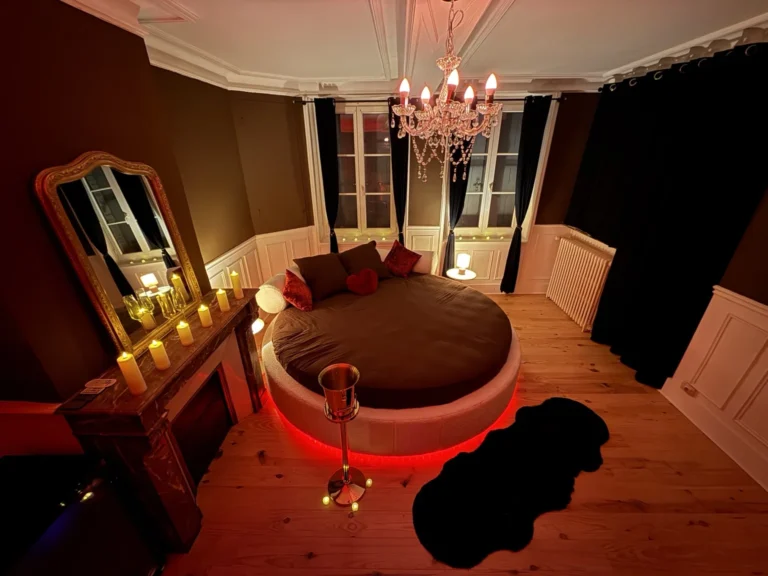
Accommodation can be a shared room, an individual room, a private room inside a play space, or overnight shelter attached to a professional experience. Those arrangements are not interchangeable. Confirm the bed, bathroom access, noise expectations, check-in and checkout times, and whether you can lock your door.
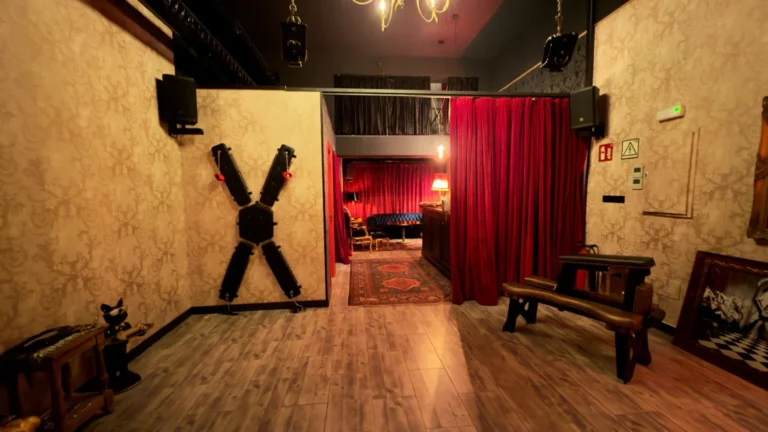
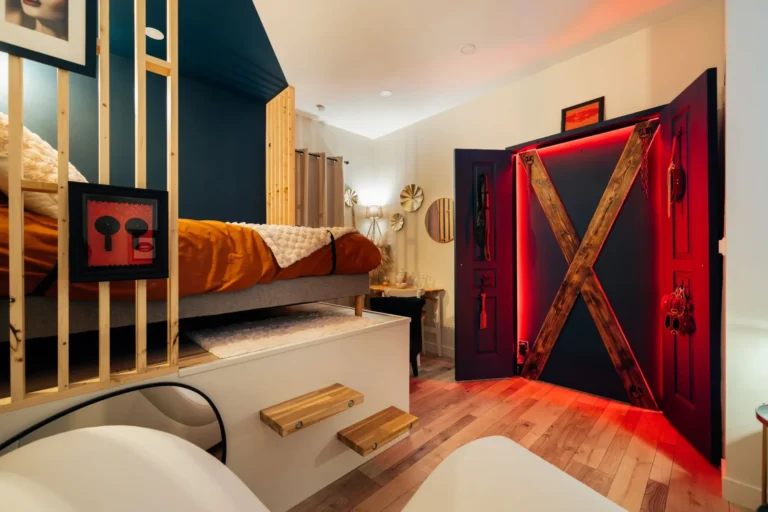
If equipment matters, ask whether it is already installed, communal, or available only during a scheduled session. A room with a St. Andrew’s cross is different from a retreat with a workshop on restraint. A private hot tub or sauna may be available for ordinary downtime rather than play. A listing that says “play-positive” does not necessarily promise hands-on contact.
Privacy deserves its own conversation. Confirm rules for phones, cameras, recording, social media, names, and identifying details. Ask whether photographs are prohibited everywhere or only in shared spaces. A private room does not automatically mean private scenes, and a communal retreat does not automatically mean public play.
Meals can be included, sold separately, or left to you. Ask about the number of meals, dietary options, water, snacks, and the location of food during long activities. Medication storage, sleep, and a quiet place to recover are practical details, not signs that you have misunderstood the mood.
How should you plan the journey there?
Build in several quiet hours before the first intense activity, and keep an independent way home. That means your own identification, phone access, money, transport information, and enough flexibility to leave without asking a dominant, partner, facilitator, or new acquaintance for permission.
Check the route from the airport or station to the retreat location. Some packages include a transfer; others do not. One published six-day format includes round-trip transport from Cancún to its retreat center, while other prices exclude airfare and airport transfers. Put every transfer in writing rather than reading “transport included” as “all travel included.”
For an international trip, review the destination country’s customs rules before packing equipment, sexual materials, medication, or electronics. The U.S. Department of State advises travelers to check country-specific laws and customs, since violations can lead to detention, fines, confiscation, or arrest. You must also follow local rules on lodging, public behavior, sexual materials, alcohol, and commercial activity.
In the United States, state and local rules may affect assault, injury, sexual contact, public decency, alcohol, zoning, lodging, and rentals. Consent does not automatically make every BDSM act lawful. Check the specific state and municipality, and remember that international travelers must obey the destination’s laws even when the activity is accepted at home.
What should you pack for several days?
Pack for an ordinary trip first: comfortable clothing, sleepwear, chargers, identification, prescribed medication, and shoes you can walk in. Add clothing that suits the stated dress code. “Clothing-optional” can describe a permitted choice, not a requirement, so ask before assuming.
Bring safer-sex supplies if sexual contact is possible, along with any personal items you need for allergies, contraception, or health discussions. Discuss STI history and testing with partners in advance. If you take medication, keep it accessible and follow the destination’s rules for carrying it.
Do not assume a retreat will accept every device you own. TSA’s carry-on guidance applies the 3-1-1 rule to liquids, gels, and aerosols: containers must be 3.4 ounces or less, in one quart-size clear bag, with one bag per passenger. Batteries, cords, restraints, and other equipment still need to comply with airline, TSA, and destination-country rules. Check before departure rather than hoping an inspection will be brief.
Keep your kit modest. A phone, power bank, barrier protection, personal lubricant in a compliant container, and a small notebook for negotiated limits may be more useful than bringing half a playroom. If a retreat supplies equipment, ask whether you may use your own items and how cleaning is handled.

What happens during a typical multi-day stay?
Arrival is usually the least theatrical part, which is helpful. You check in, learn the layout, meet facilitators or staff, review the schedule, and hear the house rules. A responsible orientation should explain consent, privacy, emergency access, reporting channels, and what happens if someone needs to stop or leave.
The next stage is negotiation. You may discuss touch, sex, photographs, sleep, restraint, impact play, humiliation, role-play resistance, and interaction with other guests. Partners should negotiate separately as well as together. A couple arriving with a shared plan still needs a way for either person to pause privately.
Workshops and demonstrations may fill the daytime. A four-day intimacy retreat schedule, for example, includes group meetings, meals, optional hikes, a BDSM demonstration, consent and STI discussion, support groups, social activities, a closing group, and departure. This is a useful shape to imagine: education and conversation can occupy as much time as scenes.
Meals create natural pauses. Downtime may mean a nap, a walk, a sauna, a hot tub, journaling, or simply sitting somewhere without performing an identity. Do not schedule every hour. A multi-day power dynamic can feel intense even when nothing dramatic is happening.
Optional scenes may happen in a designated play area, a private room, or during a scheduled professional session. Confirm who may initiate contact, whether a dungeon monitor is present, and whether scenes are observed. “Play-positive” is not the same as “everyone plays with everyone.”
Aftercare is the bridge back to ordinary conversation. It may involve water, food, warmth, quiet, a check-in, or time alone. Ask how aftercare works after a late scene and who you contact if your reaction arrives the next morning. Then protect sleep. A retreat is not improved by turning exhaustion into a personality test.
How much does an immersive BDSM retreat cost?
There is no reliable general market average. Published examples cover very different things, and prices were checked in October 2026. Admission to a four-day kink and play retreat may be about $230–$300 (€200–€260), with accommodation, camping, meals, and activities separate. A retreat with lodging, meals, and workshops may start around $600 (€520) per person.
A four-day intimacy retreat may cost about $860–$1,080 (€760–€950), with transport or some additional expenses excluded. A published four-day all-inclusive intimate retreat costs about $2,500–$3,000 (€2,200–€2,640), but you should verify what “all-inclusive” covers. A luxury seven-night retreat may reach about $12,500–$13,500 (€11,000–€11,880), before airfare or airport transfers.
Private formats sit in another bracket. Published examples include about $12,000 for a bespoke experience lasting approximately 2.5 to 7 days. In Europe, an overnight private BDSM experience is listed at about €800 ($900) for approximately 12 hours, about €1,400 ($1,500) for approximately 36 hours, and about €1,800 ($2,000) for approximately 60 hours. Another published format lists about €1,000 ($1,100) for 24 hours and about €1,700 ($1,900) for 48 hours, including food, accommodation, and session time.
Those dollar figures use rounded equivalents for orientation, not a promise of an exchange rate. Ask about the deposit, taxes, cleaning, room upgrade, meals, transport, private sessions, equipment, cancellation terms, and refund process. Never compare two retreat prices until you know what each one includes.
What mistakes should you avoid?
The first mistake is buying airfare before reading the cancellation terms. The second is assuming “immersive” means sexually immersive. It may mean a concentrated educational environment with no nudity or hands-on activity. Ask what happens on each day and what you may decline without losing your place.
Do not let a dramatic power dynamic replace ordinary consent. Agree on limits before arrival, establish a safeword or safesign, and confirm that staff can intervene. Avoid neck compression and choking. If someone experiences breathing difficulty, loss of consciousness, confusion, severe headache, weakness, voice changes, or trouble swallowing, stop and seek urgent medical care.
Do not treat a screening form as a safety guarantee. Ask for staff names and roles, an anti-harassment policy, a reporting route, a removal process, and a 24-hour emergency contact. Preserve a backup place to sleep if possible, especially for a first visit or a highly controlled format.
Do not ignore the legal layer. U.S. law differs by state, particularly where injury, strangulation, sexual contact, or serious harm is involved. The American Law Institute’s language about explicit prior permission is a model-code position, not a rule binding everywhere. The safest travel plan is one that checks the destination law and keeps your ability to leave intact.
Finally, do not confuse intensity with quality. A well-run retreat can include quiet breakfasts, clear schedules, ordinary showers, awkward introductions, and an early night. Those details are not interruptions. They are what lets a demanding experience remain voluntary from the first morning to the final checkout.
You can compare private rooms, play spaces, and equipment-based stays on the Kinkstay stay atlas. Every listing is submitted by its host, so read the declared equipment as a starting point, ask questions directly, and remember that Kinkstay does not visit the rooms.
Frequently asked questions
What happens at an immersive BDSM retreat?
Many begin with arrival, orientation, consent negotiation, and house rules. The days may combine workshops, meals, social activities, optional scenes, downtime, aftercare, and sleep. The exact schedule depends on the program.
Do BDSM retreats include sex, nudity, or group play?
Not automatically. An immersive label may describe a concentrated atmosphere or multi-day format while activities remain fully clothed and educational. Ask which activities are required, which are optional, and whether interaction with other guests is expected.
Are immersive BDSM retreats suitable for beginners?
Some are designed for beginners, while others assume experience with negotiation or specific practices. A short educational weekend with optional participation can be easier to assess than a tightly controlled multi-day experience. Ask about prerequisites and support before booking.
How long do BDSM retreats last?
Published formats range from overnight or approximately 24-hour stays to roughly seven-night private retreats. Four- and six-day programs are also published examples, but there is no standard duration. Confirm the arrival, departure, and release times in writing.
How can I tell whether a BDSM retreat is safe and respectful of consent?
Look for clear consent procedures, recognized safewords or safesigns, staff roles, reporting channels, privacy rules, emergency access, and a removal process for violations. Keep your own phone, money, identification, and route home. Application screening alone is not proof that every participant is safe.